
105cats
IID · 2019
Active Fel d 1 on the coat
Significant reduction from week 3; an average reduction of about 47% later in the study
Read original paper ↗OKCLEAR SCIENCE
Learn how OKCLEAR approaches cat allergen management with egg-yolk IgY targeting Fel d 1, alongside broader Fel d 2–8 research.

ON THIS PAGE
Fel d 1–8 describes the R&D direction and does not prove full-target efficacy. Results for other products in published papers are not results for this product.
FEL D 1
Fel d 1 is present in cat saliva and skin secretions. Grooming moves it onto the coat, and dander and dust then carry it around the home. Hair itself is usually not the allergen; it is the carrier.
| Fel d 1 | Secretoglobin | Associated with salivary and sebaceous glands; the core component in cat allergy research |
|---|---|---|
| Fel d 2 | Serum albumin | Carries cross-species cross-reactivity significance; an important complement in component diagnostics |
| Fel d 3 | Cystatin | A supplementary component in the cat allergen profile, reflecting individual sensitization differences |
| Fel d 4 | Lipocalin | Mainly saliva-associated; can contribute to component sensitization in some people |
| Fel d 5 | Immunoglobulin-related | Broadens cat allergen identification beyond a single Fel d 1 pathway |
| Fel d 6 | Immunoglobulin-related | Used to build a more complete multi-component research and testing framework |
| Fel d 7 | Lipocalin | Related to part of the respiratory sensitization profile; a focus of the broad-spectrum strategy |
| Fel d 8 | Latherin-like protein | Completes multi-target coverage of the Fel d allergen family |
IGY
IgY is an egg-yolk antibody. Published laboratory studies show anti-Fel d 1 IgY can bind the protein and reduce measured active Fel d 1. This source-side approach intervenes before allergens enter the environment.
FEL D 1–8 FRAMEWORK
Fel d 1 is one of the better-studied components, but cat allergy is not decided by one component alone; Fel d 2, 4 and 7 also contribute to different molecular sensitization profiles. A multi-target framework does not mean every home must handle eight components at once; it means R&D should not reduce real exposure to a single marker.
PATENT POSTURE
Core formulations and preparation processes are the subject of patent filings around Fel d1–8, covering broad-spectrum IgY antibody preparation, product formulations and application methods. Status follows verifiable filing or grant information; an application is not a granted patent.
SOURCE → COAT → HOME
Three stages map to three product touchpoints: daily nutrition at the source, grooming and wiping on the coat, spray and litter in the shared home.

01
Management begins at the source of saliva-associated allergens, through the daily feeding route.
02
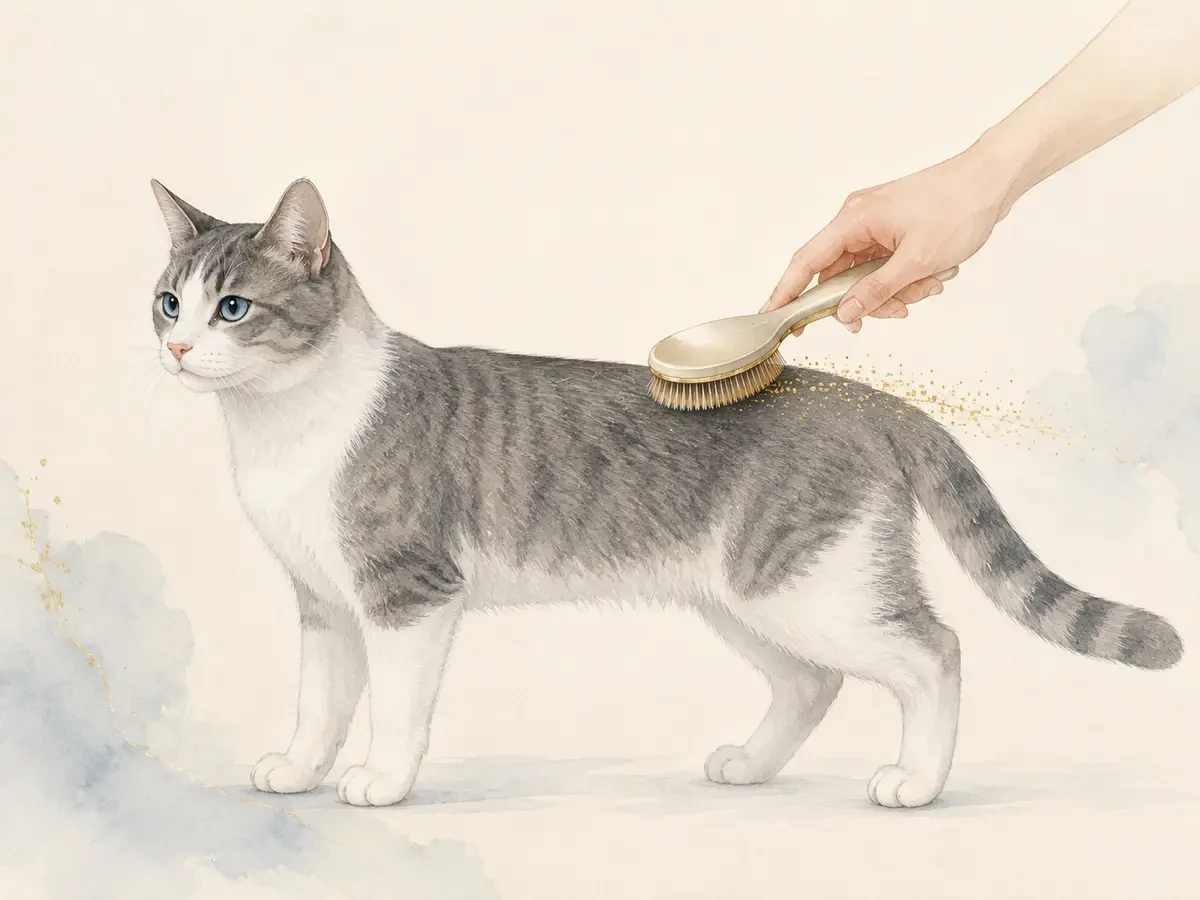
After grooming, microscopic particles can travel with the coat and dander.

03
Bedding, sofas, clothing and litter areas form the high-frequency contact points at home.
PUBLISHED RESEARCH
105cats
IID · 2019
Significant reduction from week 3; an average reduction of about 47% later in the study
Read original paper ↗26weeks
Frontiers · 2020
No ingredient-related adverse effects observed under the test conditions
Read original paper ↗84days
Frontiers · 2024
27 kittens in a randomized blinded controlled study; no biologically meaningful adverse changes
Read original paper ↗42people
MASK-air · 2024
After one month, overall, nasal, ocular and symptom–medication scores all showed improvement
Read original paper ↗GLOBAL PARTNERSHIPS
We look for partners who can turn technical evidence into compliant market education, channel execution and ongoing customer support. Scope is assessed project by project.